The Lesser Kestrel, the winged inhabitant of agricultural landscapes that lives close to humans, is an ally of farmers and at the same time a symbol of the coexistence between agriculture and biodiversity. It is also a reminder of the severe pressures faced by wildlife, as both the Lesser Kestrel and many other farmland bird species are experiencing significant population declines – often much greater than those observed in species inhabiting wetlands, forests, and mountainous areas. Nevertheless, positive examples can still be found, such as in the Northern Evros region, where low-intensity farming practices continue, and farmers recognize the importance and value of the natural environment around them.
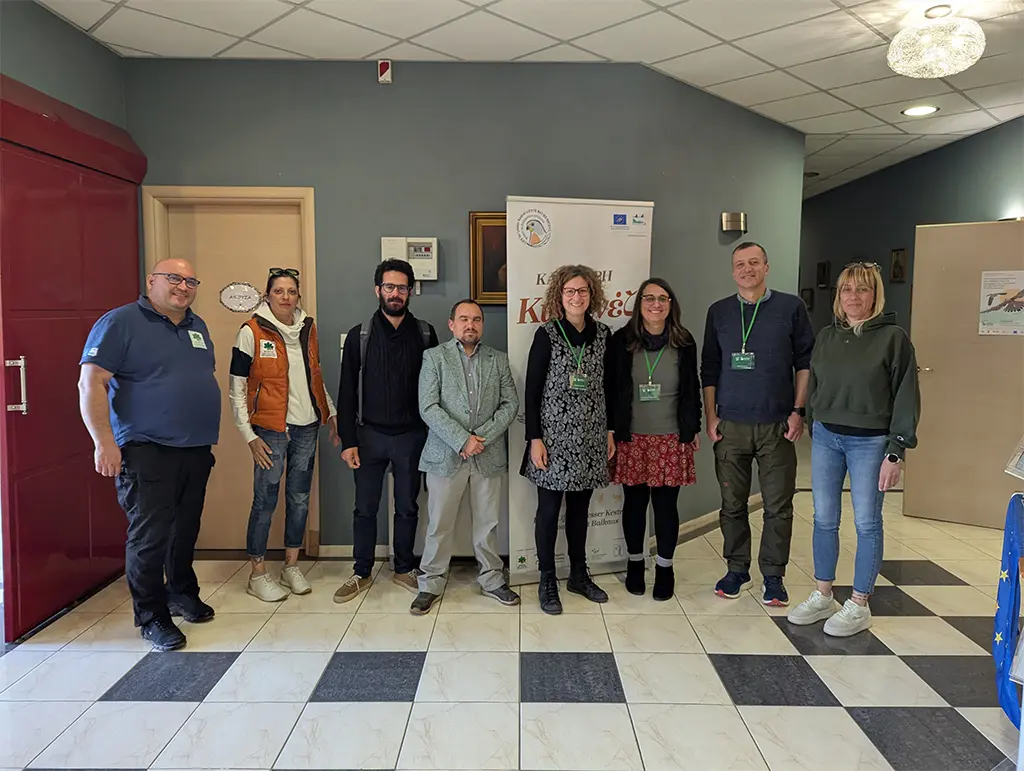
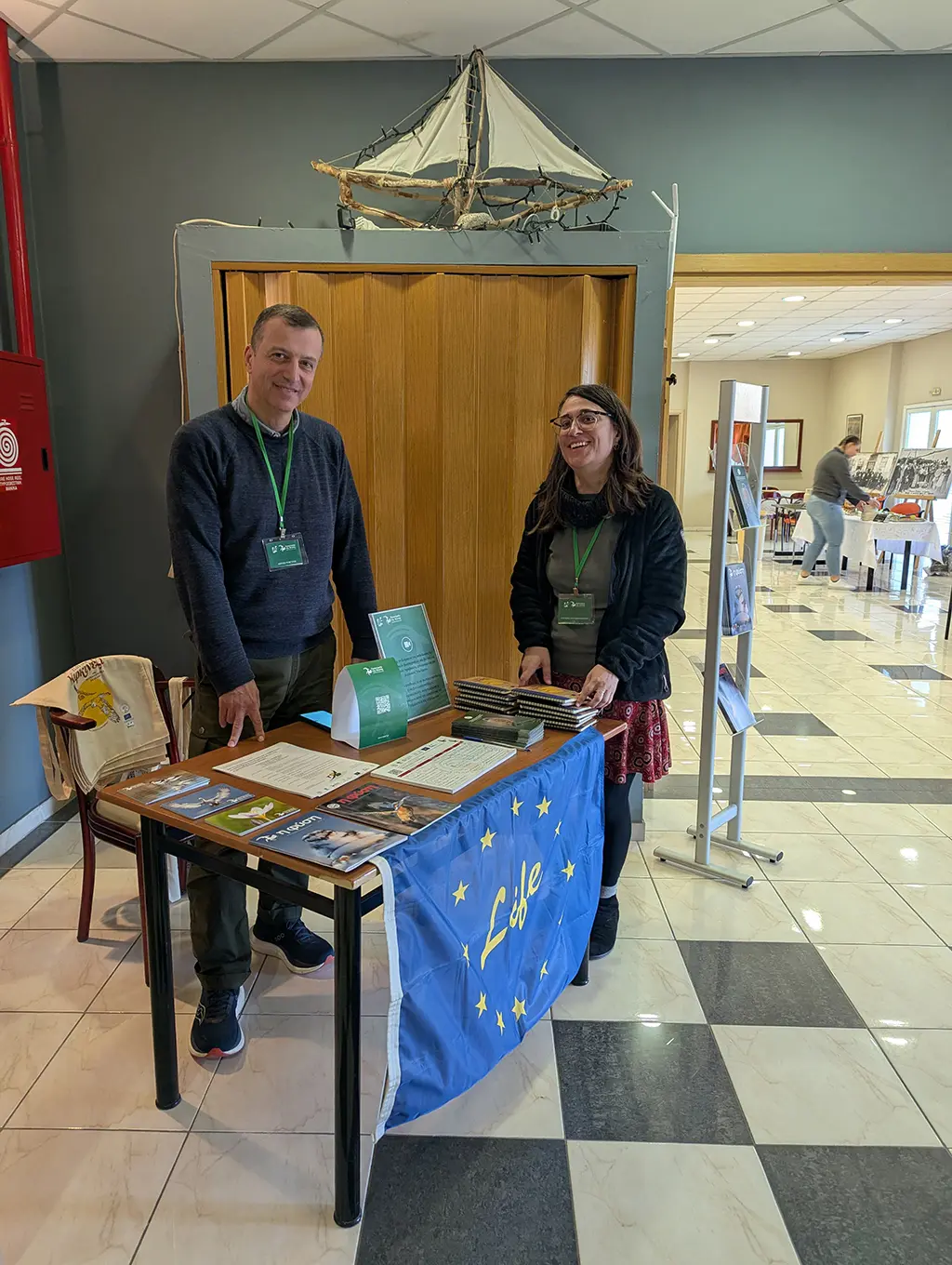
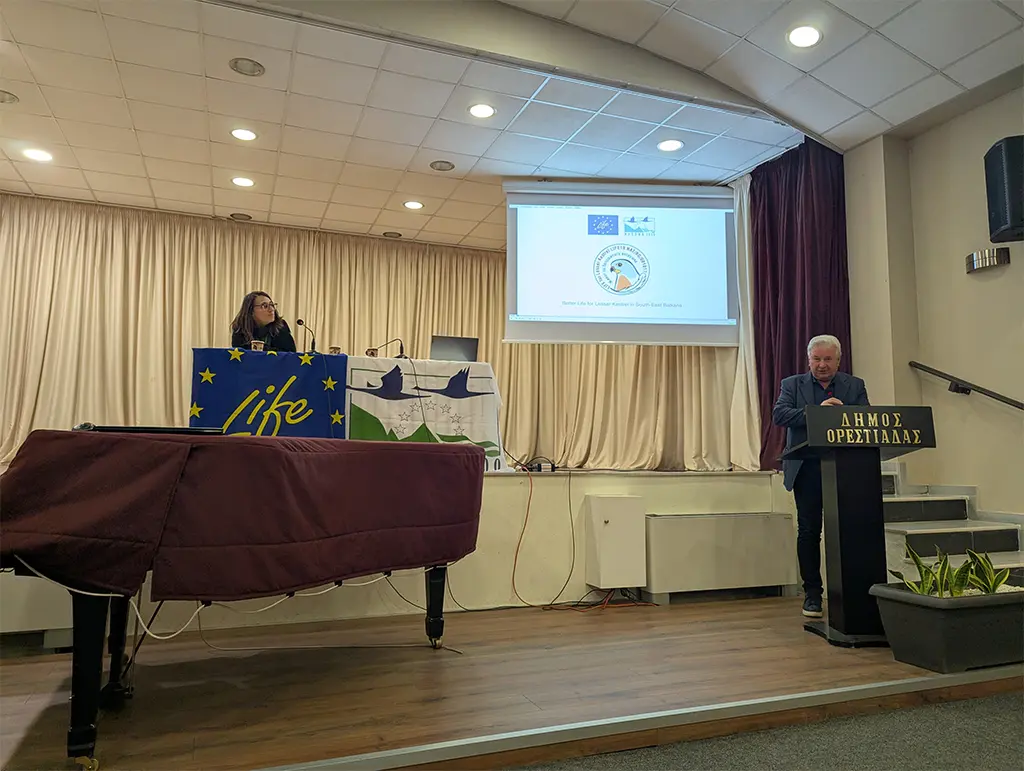
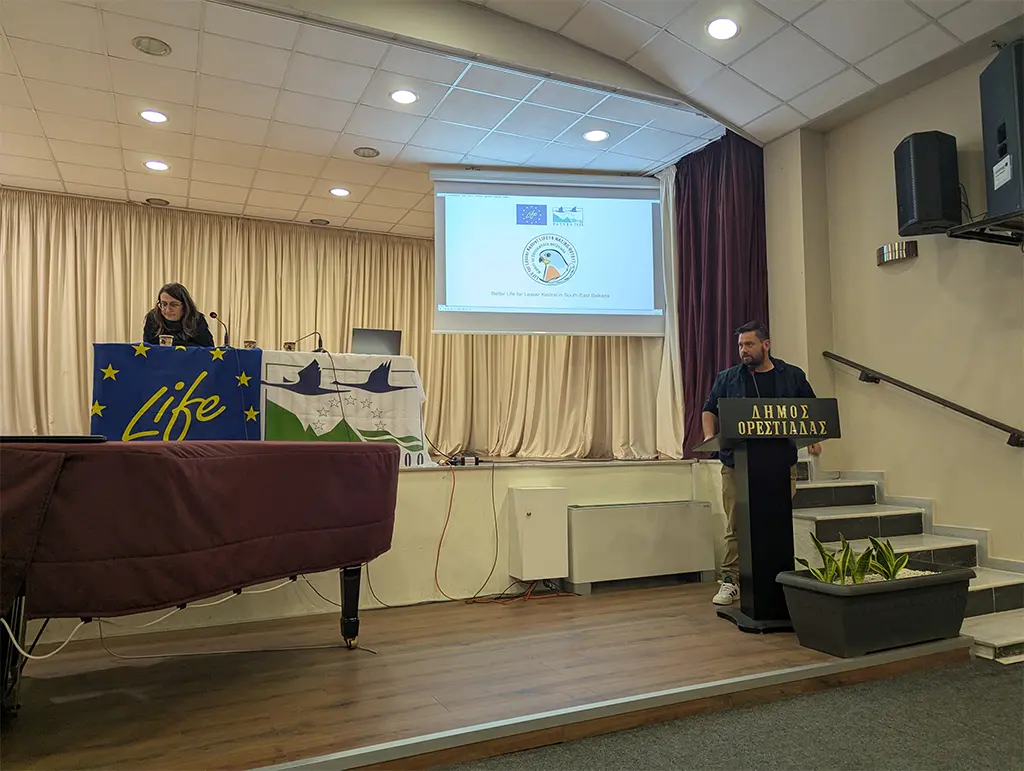
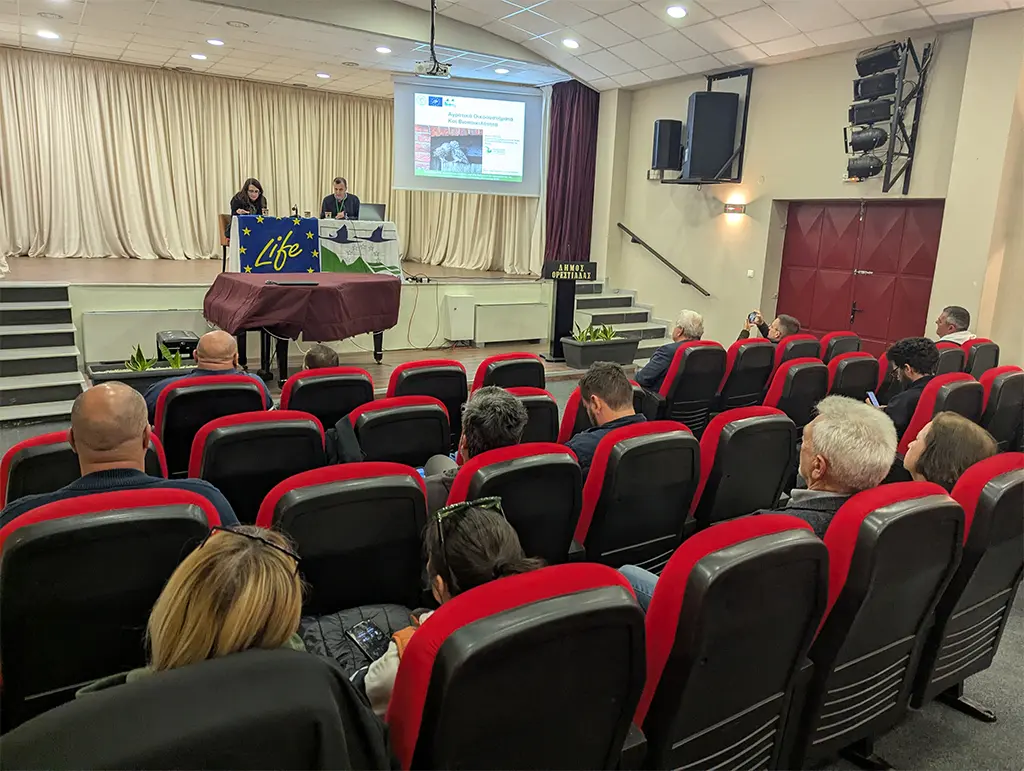
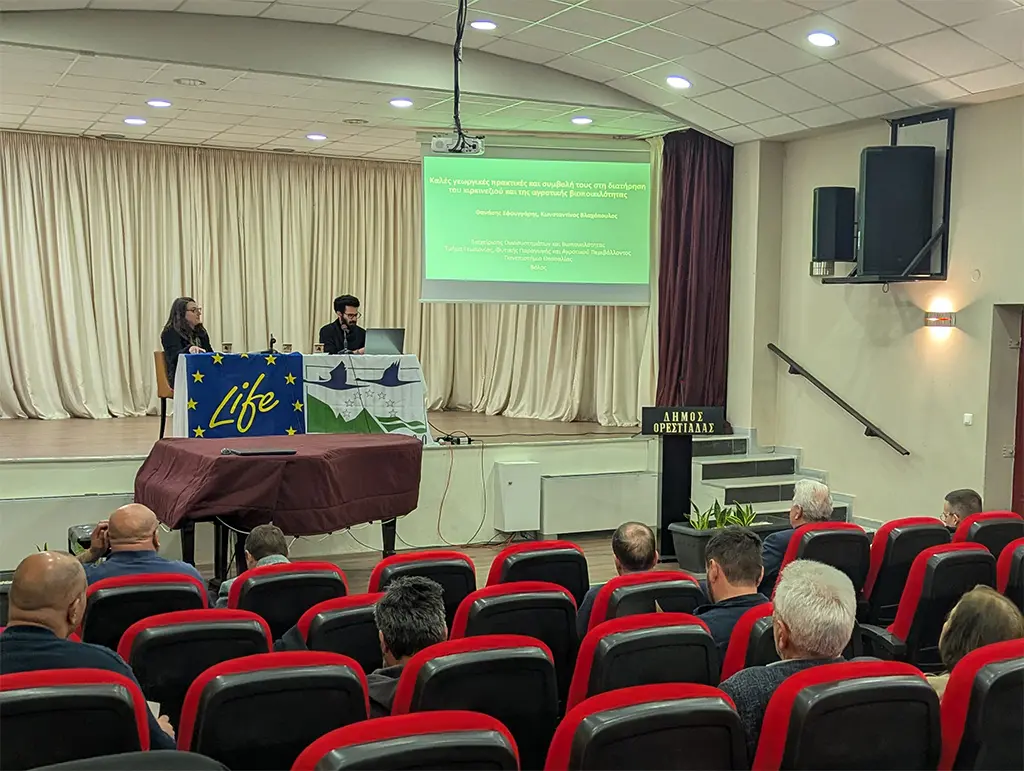
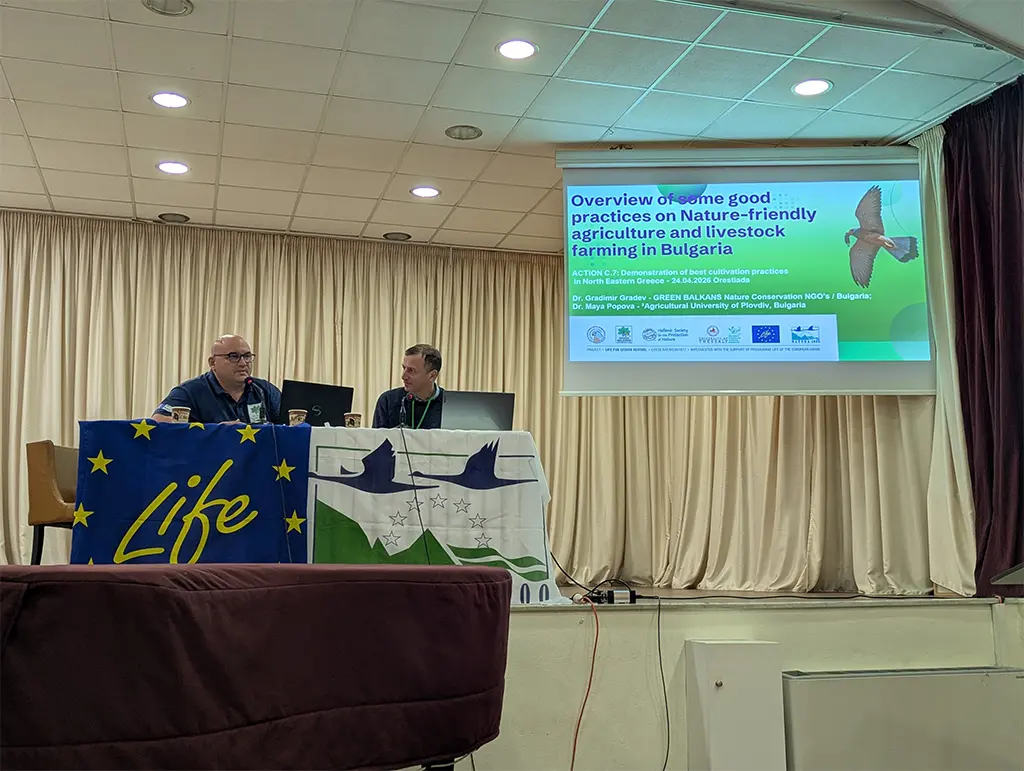
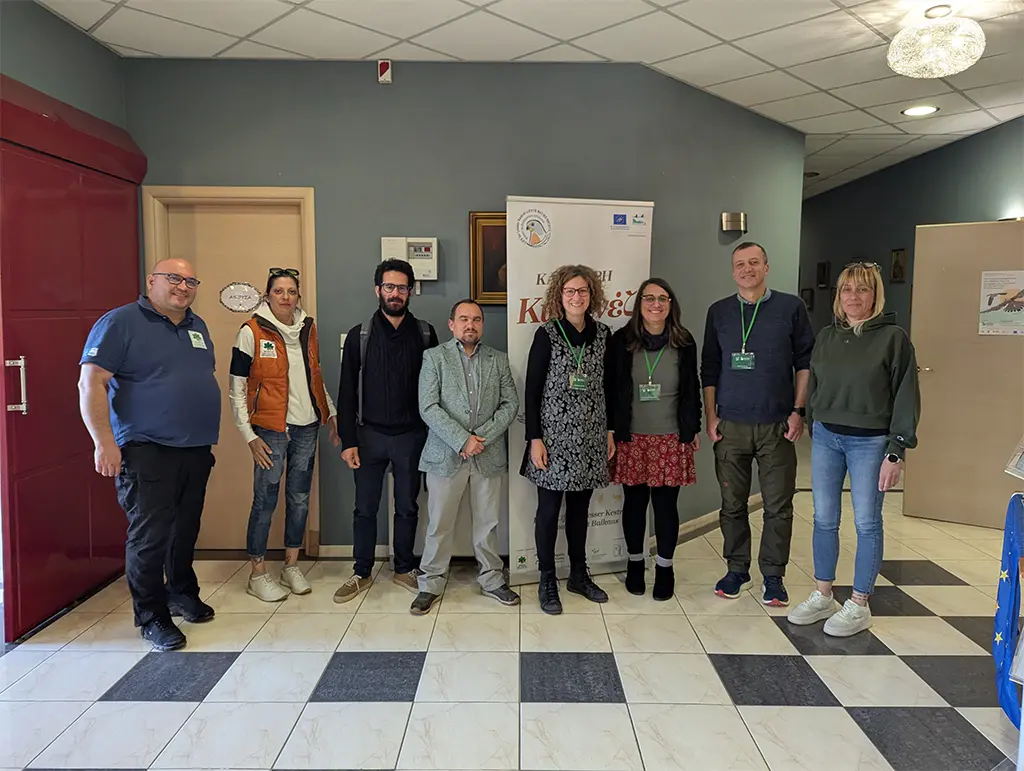
In this context, the Hellenic Society for the Protection of Nature (HSPN) organized an informational workshop aimed at highlighting good agricultural practices that contribute both to the conservation of the Lesser Kestrel and farmland biodiversity, as well as to improving the productivity and resilience of agricultural ecosystems. The event took place on Friday, April 24, 2026, at the Cultural Multicenter of Orestiada, within the framework of the European project LIFE for Lesser Kestrel (LIFE19 NAT/BG/001017) “Better Life for the Lesser Kestrel (Falco naumanni) in the South-eastern Balkans”.
The Deputy Mayor for Environment of the Municipality of Orestiada, Mr. Emmanuel Hatzipanagiotou, and the President of the Agricultural Association of Orestiada, Mr. Ilias Angelakoudis, opened the event, emphasizing the importance of this initiative and the contribution of similar actions for the local community.
During the event, Adamantia Pylara (HSPN) presented the LIFE for Lesser Kestrel project, while Miltos Gletsos (HSPN) addressed the topic of biodiversity in agricultural areas. Kostis Vlachopoulos (University of Thessaly) presented experiences from the implementation of proper (and improper) agricultural practices in the Thessalian plain, where the largest national population of the species is recorded.
The workshop was also attended by the environmental organization Green Balkans, coordinator of the project LIFE for Lesser Kestrel, bringing valuable expertise from across the border. Dr. Gradimir Gradev, project manager and scientific associate at the Agricultural University of Plovdiv, presented good practices that are friendly to both agriculture and livestock farming, as implemented in Bulgaria within the framework of the project. Dr. Rusko Petrov, a veterinarian from Trakia University, also participated in the event.
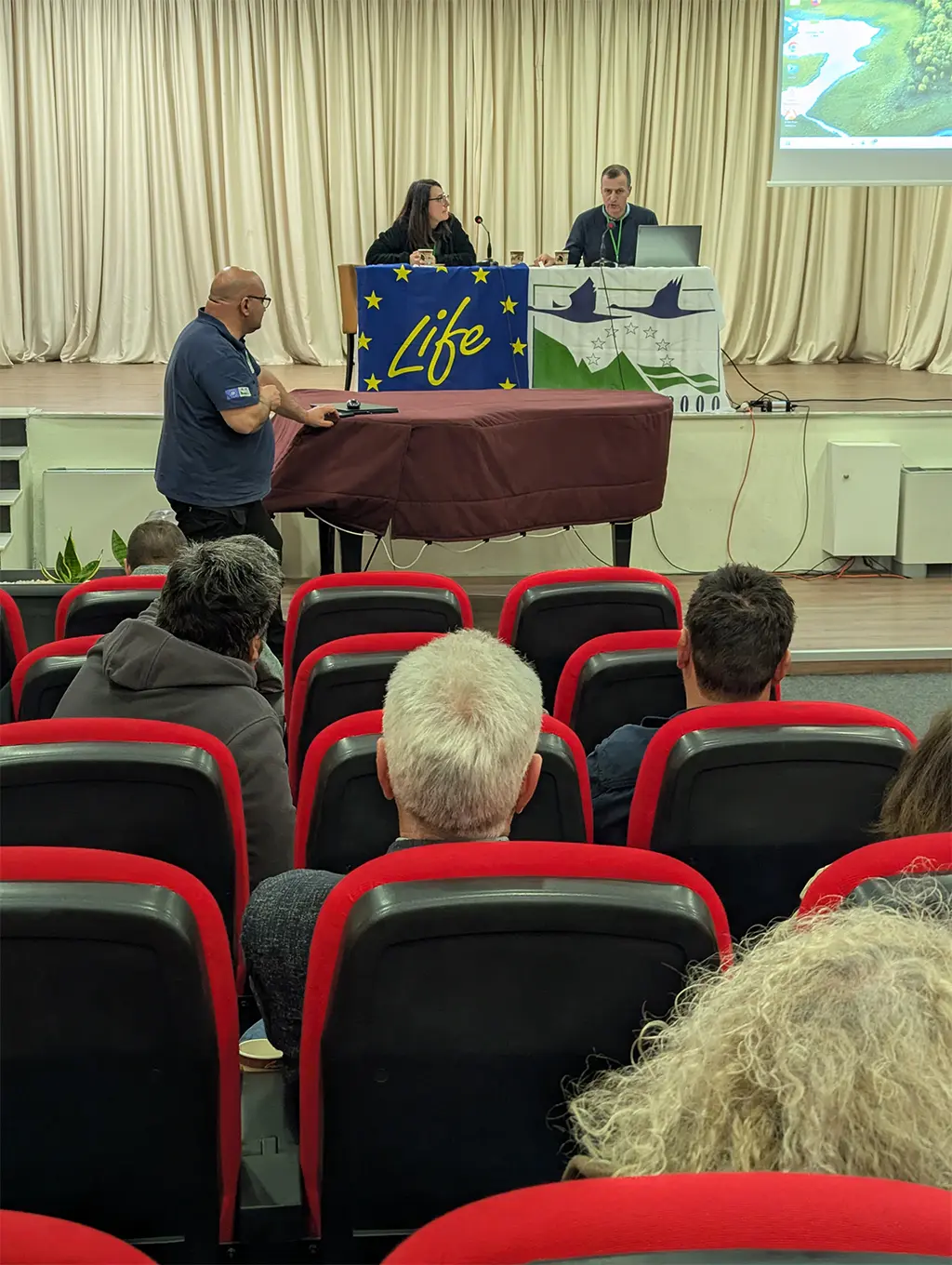
Farmers participated actively in the event, showing strong interest during the discussion that followed. It is worth noting that the city of Orestiada hosts the only remaining Lesser Kestrel colony in the Evros regional unit.
Beyond its agricultural character, Orestiada is also home to university departments of Democritus University of Thrace specializing in Agriculture and Forestry, strengthening its role as a center of knowledge and research for the primary sector.
We would like to warmly thank the Municipality of Orestiada for its hospitality, as well as the Agricultural Association of Orestiada for its support and participation.